Culinary vs. Ceremonial Matcha: Crafting Perfect Green Tea Ice Cream
The vibrant emerald hue and distinct, earthy sweetness of matcha ice cream have captivated taste buds worldwide, transforming a traditional Japanese tea into a beloved frozen dessert. More than just a refreshing treat, homemade matcha ice cream offers a personalized culinary journey, allowing you to fine-tune flavors and textures to perfection. But before you don your apron and reach for your whisk, a crucial decision awaits: which grade of matcha should you use? The world of green tea powder distinguishes between ceremonial and culinary grades, each with unique characteristics that significantly impact your final frozen masterpiece.
The Heart of the Matter: Culinary vs. Ceremonial Matcha for Ice Cream
Understanding the difference between matcha grades is fundamental to achieving the ideal flavor and color in your green tea ice cream. While both grades come from the same plant, Camellia sinensis, they undergo different processing and are intended for distinct uses.
Understanding Matcha Grades
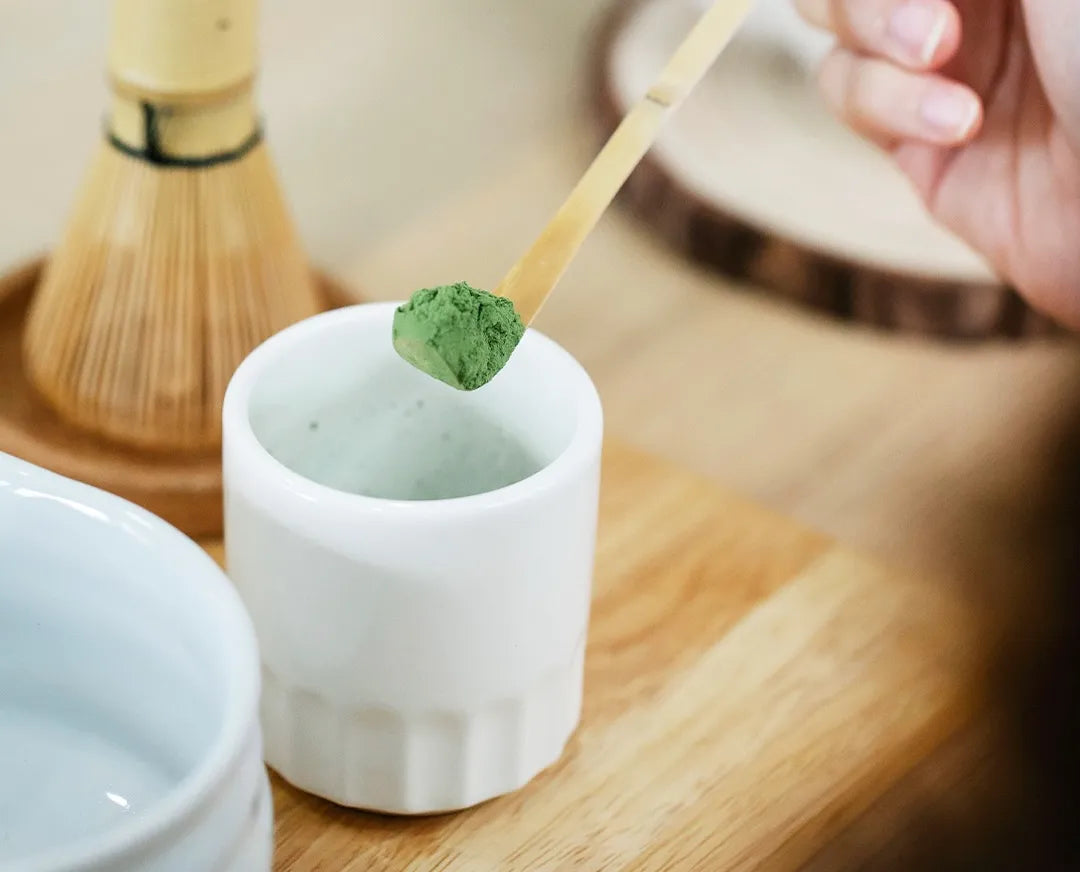
- Ceremonial Grade Matcha: This is the highest quality matcha, known for its vibrant green color, incredibly fine texture, and delicate, naturally sweet, umami-rich flavor with minimal bitterness. It's produced from the youngest tea leaves, meticulously stone-ground, and is primarily intended for traditional Japanese tea ceremonies, where it's whisked simply with hot water to be savored on its own. Its high price reflects its premium quality and meticulous processing.
- Culinary Grade Matcha: While still high quality, culinary matcha is specifically designed for use in recipes, from lattes and smoothies to baked goods and, of course, ice cream. It's made from slightly older tea leaves, often offering a more robust, sometimes slightly more astringent or bitter flavor profile that stands up well to other ingredients like dairy and sweeteners. It's more affordable than ceremonial grade, making it a practical choice for cooking and baking without compromising on authentic matcha flavor.
Why Culinary Matcha Reigns Supreme for Frozen Treats
When it comes to making exceptional
homemade eggless matcha ice cream, culinary grade matcha is not just a sufficient choice; it's often the *superior* choice. Here's why:
- Flavor Intensity: Culinary matcha typically possesses a stronger, more assertive green tea flavor. This robustness is essential for ensuring that the distinctive matcha taste isn't lost when combined with creamy milk, sugar, and other ingredients in an ice cream base. Ceremonial matcha's delicate nuances can easily be overshadowed.
- Vibrant Color: While ceremonial matcha is prized for its bright green, culinary grades often hold their vibrant color better during cooking and freezing processes, preventing the ice cream from looking dull or brownish.
- Cost-Effectiveness: Given that ice cream recipes often call for several tablespoons of matcha to achieve a pronounced flavor, using ceremonial grade would quickly become prohibitively expensive. Culinary grade provides excellent quality and flavor at a much more reasonable price point.
- Bitterness Balance: A very slight, pleasant bitterness is an authentic characteristic of matcha that adds complexity to ice cream. Culinary matcha often brings this forward effectively, especially when balanced with sweetness, preventing the ice cream from being overly cloying.
So, while you might be tempted to splurge on ceremonial matcha, save it for your tea bowl. For crafting the perfect matcha ice cream, culinary grade is your best ally.
Crafting Your Own Matcha Ice Cream: Two Delightful Paths
Whether you own an ice cream maker or prefer a simpler, no-churn approach, creating homemade matcha ice cream is wonderfully accessible. Each method offers a unique texture and experience.
The Effortless No-Churn Method: Quick & Refreshing
For those craving instant gratification or lacking an ice cream maker, the no-churn method is a revelation. It transforms simple ingredients into a surprisingly smooth and refreshing treat. Imagine blending matcha-infused ice cubes with a touch of sweetness to create a soft-serve consistency. This approach, inspired by its sheer simplicity, is perfect for a quick fix on a warm day.
The magic happens by preparing a strong matcha latte, freezing it into cubes, and then blending those cubes with a touch of sweetener like honey and a splash more milk until smooth. The small ice crystals formed during the blending process mimic the texture of soft-serve ice cream. For an incredibly straightforward version, check out how to
Whip Up 2-Ingredient Matcha Ice Cream with Olive Oil & Salt – it truly is that easy! This method typically yields a lighter, almost sorbet-like consistency straight from the blender, which you can then enjoy immediately or freeze for a slightly firmer scoop.
The Traditional Ice Cream Maker Approach: Rich & Creamy
If you own an ice cream maker, you unlock the potential for a richer, denser, and incredibly creamy matcha ice cream. This method typically involves preparing a liquid custard-like base (though many excellent eggless versions exist, catering to dietary needs) that is then churned in the machine. The continuous churning prevents large ice crystals from forming, resulting in a wonderfully smooth and luxurious texture reminiscent of gourmet store-bought ice cream.
Recipes often call for a significant amount of matcha (e.g., 3 tablespoons for a batch) to ensure the green tea flavor shines through the dairy and sugar. Using high-quality, creamy milk and a balanced amount of sweetener is key here. The ice cream maker method allows for greater control over the final consistency; you can enjoy it as a soft-serve directly from the machine or transfer it to the freezer for several hours to achieve a firmer scoopable texture. This is ideal for making larger batches and experimenting with different milk fat percentages for varying levels of richness.
Balancing Flavor: Sweetness and the Signature Bitterness
The beauty of homemade matcha ice cream lies in its balanced flavor profile – a delightful interplay between the earthy bitterness of matcha and the sweetness of sugar or honey. When crafting your own, consider these tips:
- Sweetener Choice: Granulated sugar is classic, but honey, maple syrup, or even condensed milk can add different layers of flavor and affect texture. Adjust the amount to your preference; a slightly bitter edge is part of matcha's charm.
- Milk Matters: Whole milk, heavy cream, or a combination will yield the creamiest results. For dairy-free versions, full-fat coconut milk or a creamy oat milk can provide excellent alternatives, though they may impart their own subtle flavors.
- Sift Your Matcha: Always sift your culinary matcha powder before adding it to your liquid base. This crucial step prevents lumps and ensures a smooth, even distribution of flavor and color throughout your ice cream.
Beyond the Scoop: Creative Toppings and Serving Ideas
While exquisite on its own, matcha ice cream truly shines with creative toppings that enhance its unique flavor. Don't be afraid to experiment beyond the conventional.
Unexpected Pairings: Olive Oil and Sea Salt
One surprisingly sophisticated pairing, mentioned in simpler recipes, is a drizzle of high-quality olive oil and a sprinkle of flaky sea salt. This combination might sound unusual, but the fruity, sometimes peppery notes of olive oil beautifully complement the grassy earthiness of matcha, while the sea salt provides a delightful counterpoint, enhancing all the flavors. It transforms a simple scoop into an elegant dessert.
Classic Asian Accents: Red Bean Paste & More
Drawing inspiration from traditional Japanese desserts, sweet red bean paste (anko) is a classic accompaniment. Its mellow sweetness and slightly chunky texture provide a lovely contrast to the smooth, verdant ice cream. Other delightful Asian-inspired toppings include:
- Yōkan: A firm, jellied dessert made from agar-agar and red bean paste, offering a textural contrast.
- Mochi: Soft, chewy glutinous rice cakes, cut into small cubes.
- Toasted Sesame Seeds: Adds a nutty aroma and subtle crunch.
- Fresh Fruit: Sliced strawberries, raspberries, or mandarins offer a refreshing burst of acidity and color.
Western Twists: Chocolate, Nuts, and Syrups
For a fusion approach, consider these crowd-pleasing toppings:
- Dark Chocolate Shavings or Drizzle: The bitterness of dark chocolate harmonizes wonderfully with matcha.
- Crushed Pistachios or Almonds: Adds a satisfying crunch and nutty flavor.
- Caramel or White Chocolate Drizzle: For those with a sweeter tooth, these syrups offer a rich indulgence.
Tips for Matcha Ice Cream Perfection
Achieving the perfect scoop of matcha ice cream isn't just about the recipe; it's about the details.
- Chill Your Base Thoroughly: Regardless of the method, ensure your liquid matcha base is thoroughly chilled before churning or freezing. This helps with optimal texture and freezing time.
- Don't Over-Churn: If using an ice cream maker, stop churning when the ice cream reaches a soft-serve consistency. Over-churning can incorporate too much air or lead to a grainy texture.
- Proper Storage: Store homemade matcha ice cream in an airtight container, pressing a layer of parchment paper directly onto the surface before sealing. This helps prevent freezer burn and keeps your ice cream fresh for longer.
- Serve at the Right Temperature: For the best flavor and texture, let your ice cream sit out for 5-10 minutes before scooping, allowing it to soften slightly.
In conclusion, delving into the world of homemade matcha ice cream is a rewarding culinary adventure. By understanding the vital role of culinary grade matcha, choosing between simple no-churn or rich ice cream maker methods, and experimenting with a spectrum of toppings, you can consistently craft a dessert that is not only delicious but also deeply satisfying. So, embrace the vibrant green, savor the unique flavor, and enjoy the endless possibilities of your very own green tea delight.